Inspiration for a successful briquette business often begins with a simple but powerful idea. Turning waste into value. One of the most promising paths is the production of coconut shell charcoal briquettes—an eco-friendly fuel alternative with a growing global market. This business doesn’t just support sustainability, it also opens up opportunities in both local and international markets.
The numerous advantages of coconut shell charcoal briquettes make them an attractive choice for entrepreneurs. They are environmentally friendly, made from organic waste such as coconut shells, sawdust, or rice husks. Not only are these materials widely available, but they also come from renewable sources. The market potential is wide—serving homes, restaurants, and export needs.
Inspiration for a Successful Briquette Business

This business can be started with relatively low capital and has wide-reaching demand, ranging from household and restaurant use to export markets such as the Middle East, the United States, and Europe, where coconut shell charcoal briquettes are widely used for cooking and shisha.
Opportunities and Advantages of the Briquette Business
Eco-Friendly Solution
Briquettes are made from organic materials like coconut shells, sawdust, and rice husks, making them a cleaner, more sustainable alternative to fossil fuels. This helps reduce environmental impact while providing practical energy solutions.
Abundant Raw Materials
Indonesia and other tropical countries have an abundant supply of agricultural waste, especially coconut shells. This ensures a sustainable and cost-effective source of raw materials for briquette production.
Large Market Potential
High demand exists not only domestically for household and restaurant use, but also internationally in export markets such as Europe, America, and the Middle East. Renowned for both quality and cleanliness, Indonesian coconut charcoal is a preferred choice worldwide.
Low Startup Costs
The production process is relatively simple and can be started with basic equipment, making it accessible even to first-time entrepreneurs with limited capital.
Value-Added to Waste
Processing coconut waste into charcoal briquettes adds economic value and helps reduce the volume of organic waste, supporting environmental sustainability and circular economy efforts.
Business Inspiration and Strategy
Focus on Quality
Indonesian coconut charcoal briquettes are already known for their high quality in international markets. Focusing on consistent quality and clean-burning products can help open more doors for export opportunities.
Leverage Social Media
Use platforms like Instagram, TikTok, and Facebook to promote your products, share your sustainability message, and attract both local and international customers.
Partner with Local Suppliers
Build strong relationships with raw material suppliers such as coconut farmers and copra producers. You can also work with local restaurants and fuel shops to distribute your briquettes.
Join Exhibitions and Trade Shows
Participate in expos and trade events to showcase your product, meet potential buyers, and demonstrate the unique benefits of your briquettes in person.
Product and Shape Innovation
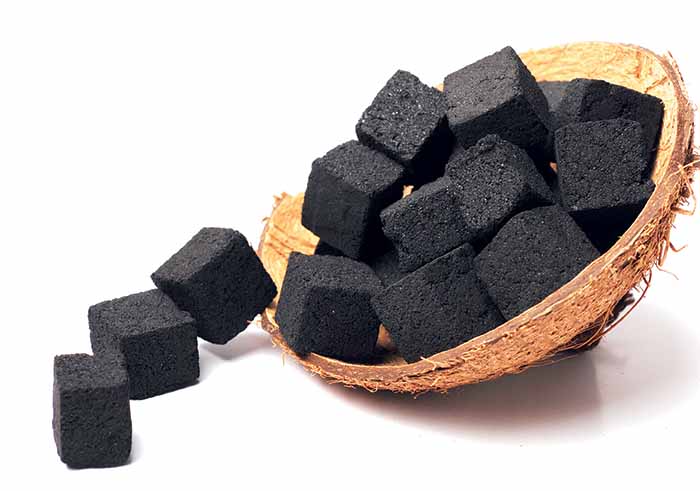
Briquettes don’t have to be limited to cube shapes. You can innovate with cylindrical or hexagonal blocks depending on customer preferences and specific market needs.
Vertical Partnerships
Establish partnerships with coconut farmers to ensure consistent raw material supply. This approach also helps support local farming communities and strengthen your supply chain.
Start Small or Form a Cooperative
You can begin with a small-scale home operation or organize a cooperative to manage the business collectively, making it more accessible and community-driven.