Sustainable fuel – Charcoal has been used for centuries as a fuel source for cooking, heating, and industrial processes. However, the traditional methods of producing charcoal can harm the environment, leading to deforestation, soil erosion, and air pollution. Sustainable charcoal is an eco-friendly alternative that addresses these concerns and provides a cleaner, more sustainable fuel source.
Sustainable charcoal is made from renewable resources, such as bamboo, coconut shells, or wood from sustainably managed forests. These sources are carefully selected and harvested to ensure they do not contribute to deforestation or other environmental concerns. The production process of sustainable charcoal also uses cleaner technologies, such as pyrolysis, which reduces greenhouse gas emissions and air pollution.
One of the critical benefits of sustainable charcoal is its eco-friendliness. Using renewable resources helps reduce the carbon footprint of charcoal production, as it does not contribute to the destruction of forests and other natural habitats. Sustainable charcoal also burns more cleanly than traditional charcoal, producing fewer emissions and less smoke.
Sustainable Charcoal Come From Renewable Resources
Another benefit of sustainable charcoal is its versatility. It can be used in various applications, such as cooking, heating, and industrial processes. Sustainable charcoal has a high energy density and burns long, making it an ideal fuel source for outdoor cooking and other activities.
Sustainable charcoal is produced in a way that does not damage the environment. This means that charcoal is made from sustainably managed forests or other renewable sources, and the production process does not contribute to deforestation or other environmental problems. Sustainable charcoal is a valuable fuel source for many people around the world. It is used for cooking, heating, and lighting and can also be used to make other products, such as activated carbon.
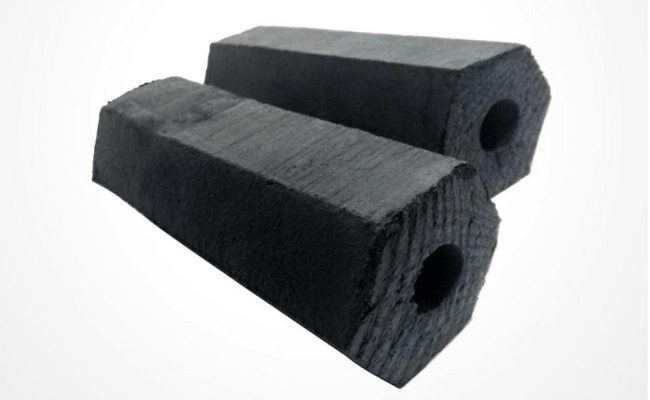
There are a number of benefits to using sustainable charcoal coconut briquette. First, it is a renewable resource. Trees can be replanted after they are harvested, and charcoal can be produced indefinitely. Second, sustainable charcoal production does not contribute to deforestation. Trees are gathered sustainably, and the forest is allowed to regenerate after harvesting. Third, sustainable charcoal production does not produce as much pollution as other forms of fuel production. Charcoal production does not produce greenhouse gases; it has less smoke than other forms of biomass fuel, such as wood.
The Production of Coconut Briquette can Support Local Industry
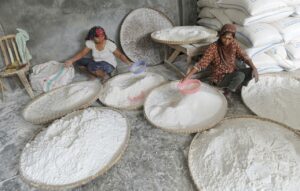
Sustainable charcoal production also can create job opportunities in rural areas, where the production of renewable resources can be a source of income and economic growth. This can help to support local communities and provide an incentive to protect and manage their natural resources.
In conclusion, sustainable charcoal is an eco-friendly alternative to traditional charcoal that addresses deforestation, soil erosion, and air pollution concerns. It is made from renewable resources, uses cleaner technologies, and provides a versatile and sustainable fuel source. By supporting sustainable charcoal production, we can promote a greener future and help to protect our planet’s natural resources.
You may like to read the article about Controlling Erosion and Reforesting Critical Areas using Coir Roll Matting